
How to Wash White Clothes Without Yellowing: Complete Guide
White T-shirts, school shirts, socks and everyday cotton clothes can gradually look grey or yellow even after washing. The usual causes include colour transfer, sweat and body-oil residue, too much detergent, incomplete rinsing and using a cleaning product that is unsuitable for the fabric. The good news is that a careful routine can help keep white clothes looking fresh without harsh treatment.
This guide explains how to wash white clothes without yellowing, which washing settings to choose, how to treat common marks and what to avoid in a Bangladesh home laundry routine.
Quick answer: how do you wash white clothes without yellowing?
Wash white garments separately from coloured clothes, check each care label, pretreat visible stains, use the recommended amount of detergent, avoid overloading the machine and select the warmest water allowed by the fabric label. Rinse properly and dry promptly. Do not use bleach unless the garment label and product instructions confirm it is suitable.
Why do white clothes turn yellow or grey?
1. Sweat and body oils
Collars, underarms and cuffs collect sweat, skin oils and personal-care product residue. If these are not removed fully, marks can become more visible over time. Pretreat these areas before washing rather than relying on extra detergent alone.
2. Washing whites with coloured clothes
Dye from dark or new garments can transfer onto white fabric and make it look dull or grey. Keep whites in a separate load, especially when washing new jeans, dark T-shirts or brightly coloured clothes.
3. Too much detergent or poor rinsing
More detergent does not always mean cleaner clothes. Excess product can remain in fibres, particularly when the washer is overloaded or the rinse cycle is inadequate. Follow the detergent label and your machine instructions.
4. Incorrect bleach or water temperature
Chlorine bleach can damage or discolour some fibres and finishes. Hot water can also shrink or harm some garments. Never assume that every white item can tolerate bleach or a hot wash; follow the garment care label.
Step-by-step: how to wash white clothes correctly
Step 1: Sort the laundry carefully
Make a separate load for plain white clothing. Keep heavily soiled items apart from lightly worn shirts when practical. White garments with coloured prints or trims may need different care, so check their labels instead of treating them like plain white cotton.
Step 2: Read the care label
Look for the washing temperature, cycle, bleaching and drying symbols. Cotton, polyester, elastane blends, wool and silk do not all respond to the same treatment. When the label recommends cold water or a gentle cycle, follow that instruction even if the garment is white.
Step 3: Pretreat marks before washing
Apply a small amount of suitable liquid laundry detergent or a fabric-safe stain remover to sweat, food or dirt marks. Follow the product directions and test an inconspicuous area if you are unsure. Avoid aggressive scrubbing, which can roughen fibres and leave a visible patch.
Step 4: Use the correct detergent amount
Measure detergent according to the package, load size, soil level and local water conditions. Do not pour concentrated detergent directly onto delicate fabric unless its label allows it. If clothes feel soapy after washing, review the dose and rinse settings.
Step 5: Choose a suitable wash cycle
Use the warmest water temperature permitted by the garment label. A normal cycle may suit sturdy cotton shirts, while delicate fabrics and printed T-shirts may need a gentler cycle. Do not pack the machine tightly: clothes need room to move so water and detergent can circulate.
Step 6: Check before drying
After washing, inspect stained areas in good light. If a mark remains, treat and wash the item again before using a hot dryer or ironing it. Heat can make some stains harder to remove. In Bangladesh’s humid weather, hang clothes with enough space for air to circulate and bring them indoors when rain or damp conditions threaten to leave them wet for too long.
How to keep white T-shirts and school shirts bright
- Wash white T-shirts separately from coloured prints and dark garments.
- Turn printed garments inside out and use a gentle cycle when the care label recommends it.
- Do not leave sweaty school shirts or sportswear damp in a closed laundry basket for long periods.
- Clean detergent drawers and follow the washing machine manufacturer’s maintenance instructions.
- Store clothes only when they are completely dry, in a clean and well-ventilated cupboard.
For more clothing-care advice, read our guides on washing kids’ T-shirts without fading, removing stains from clothes and choosing the right T-shirt size online in Bangladesh.
Should you use bleach on white clothes?
Only use a bleaching product when both the garment care label and product directions say it is suitable. Never apply concentrated bleach directly to clothing, and do not mix chlorine bleach with vinegar, ammonia or other cleaning products. Dangerous fumes can result. For delicate fabrics, garments with elastane, or clothing with coloured prints, choose a fabric-safe alternative only when its label permits it.
Common mistakes to avoid
- Mixing white clothes with new or dark coloured garments.
- Using more detergent than the label recommends.
- Overloading the washing machine.
- Using hot water without checking the care label.
- Drying or ironing a garment before checking whether the stain has gone.
- Mixing cleaning chemicals or experimenting with several products at once.
Frequently asked questions
Can I wash white clothes in cold water?
Yes. Cold water is suitable for many garments and can help reduce energy use and protect some fabrics. Follow the care label and pretreat visible stains when needed.
Why do my white shirts turn yellow under the arms?
Sweat, body oils and deodorant or antiperspirant residue can build up around the underarms. Pretreat the area with a suitable product and wash according to the label. Old discolouration may not come out completely.
Can baking soda make white clothes white again?
Results vary by fabric, soil and product concentration. Avoid assuming that a home remedy will safely whiten every garment. Use laundry products as directed and test cautiously when the fabric label allows.
Is sunlight good for drying white clothes?
Air-drying can be practical, but prolonged strong sunlight may affect some fabrics, dyes and optical brighteners. Follow the care label and avoid leaving delicate garments in intense sunlight for long periods.
How often should I wash white T-shirts?
Wash them after wear when they have sweat, odour or visible soil. Prompt washing helps prevent residues from building up. Always follow the garment’s care instructions.
Final checklist
- Separate whites from colours.
- Read care labels before selecting temperature or bleach.
- Pretreat stains and measure detergent carefully.
- Choose the right cycle and avoid overloading.
- Check stains before drying and store only completely dry clothes.
Good laundry habits help white garments stay presentable for longer, but no method can reverse every type of permanent discolouration. When in doubt, choose the gentlest care method allowed by the garment label.
Further reading: Whirlpool’s guide to washing white clothes and the Drycleaning and Laundry Institute’s explanation of fabric whiteness.
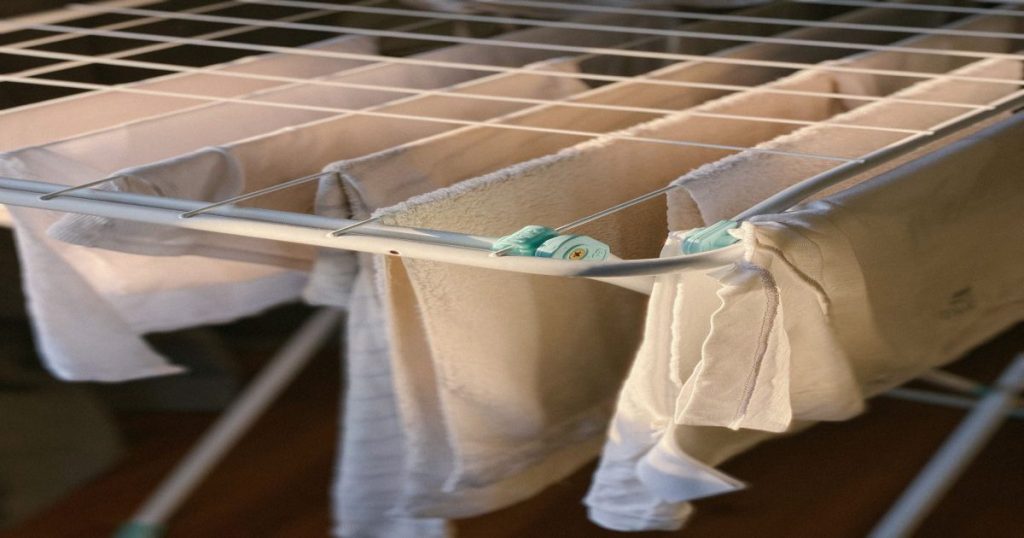
Photo: White laundry drying on a rack. Photo by Lidia Bekenova via Pexels.